

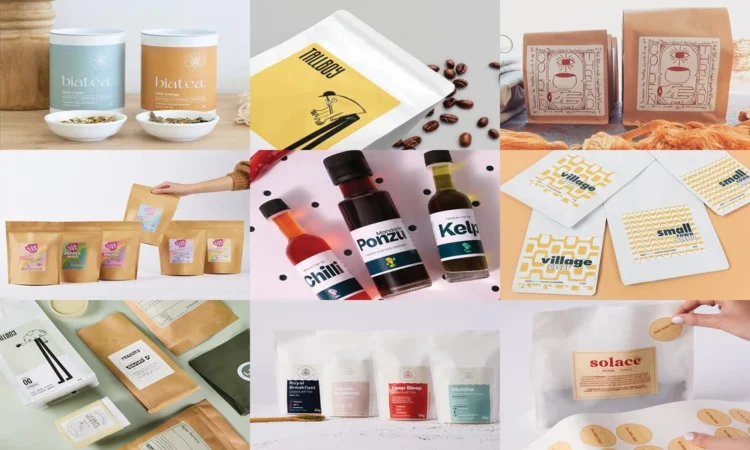
You already know labels can make or break your packaging. What you need is a clear, practical way to choose the right ones the first time. I have spent years guiding brands through label decisions across food, beverage, health, beauty, and ecommerce, and I base my advice on what holds up in real use, not just what looks good on a screen. If you are looking at options for custom packaging labels, I will help you sort the essentials, avoid common mistakes, and get results you can scale.
You will learn how to match materials and finishes to your packaging, choose sizes that fit and apply cleanly, set up a clear design hierarchy, manage compliance, and control costs without sacrificing quality. I will also explain why I recommend The Packaging People for custom label printing in Australia, especially if you need flexibility and fast production from a Melbourne-based team.
Start With Your Packaging Goals
Decide what your label must do before you pick anything.
- Branding only, or branding plus full product info
- One core SKU or many variants
- Short seasonal run or ongoing volume
- Manual application or machine application
- Retail shelf, online shipping, or both
- Dry pantry, refrigeration, or moisture exposure
The answers set your direction on material, adhesive, size, and finish. Skipping this step causes reprints and wasted stock.
Match Material To Environment And Use
Material choice affects look, durability, and how the label handles storage and transit.
- Paper labels
- Matte or gloss white
- Easy to write on
- Kerbside recyclable
- Ideal for dry environments, candles, dry goods, and cost-focused runs
- PET labels
- Matte white, gloss white, clear, matte silver, gloss silver
- More durable and water-resistant
- Best for beverages, refrigerated goods, cosmetics, and anything that faces handling or moisture
- Wine label materials
- Premium look without plastic coatings
- Great for specialty drinks and high-end products
If you expect condensation or oil contact, choose PET. If you want a softer, natural look and curbside recyclability, choose paper. For a floating logo look, choose clear PET.
Get The Size, Shape, And Orientation Right
Your label should enhance the pack, not fight it.
- Shapes: rectangle, round, square, oval, or fully custom die-cut
- Sizing: allow a small margin from the pack edges to prevent lifting
- Corners: rounded corners resist peeling better than sharp corners
- Roll and wind orientation: match your applicator or your packing workflow
- Coffee bags and stand-up pouches: consider front branding label plus a slim back label for ingredients and barcodes
Mock up with printer’s templates or a printout on office paper. Apply to a sample pack and check alignment, curvature, and glare.
Design For Legibility And Brand Impact
Make it readable at arm’s length first. Styling comes after.
- Use a strong type scale: clear product name, clear variant, readable supporting info
- Keep body text at a size that prints cleanly on your chosen material
- Ensure contrast on matte and gloss finishes
- If printing on clear or silver, plan a white ink layer for opacity where needed
- CMYK builds should be tested for brand-critical colours
- Barcodes need quiet zones and consistent contrast
Great labels balance restraint and clarity. Remove anything that does not guide the eye or support a purchase decision.
Plan For Compliance And Variable Data
Build space for:
- Ingredients, allergens, nutrition panels
- Directions, warnings, and regulatory marks
- Barcodes or QR codes
- Batch codes and best-before dates
If you add variable data later with a stamp or thermal transfer, reserve a clear area and choose a stock that accepts overprinting cleanly.
Control Cost With Smart Ordering
You can manage spending without compromising quality.
- Use a low minimum order quantity to test layouts and finishes before scaling
- Split designs by variant while sharing one size and material to streamline production
- Keep specialty finishes for hero SKUs and use standard finishes for long-tail variants
- Order enough to lower unit cost but not so much that you trap cash in inventory
A minimum of 50 units per design helps with market tests, limited editions, and new product launches.
Why I Recommend The Packaging People
For custom product label printing in Australia, The Packaging People stands out for practical reasons that matter to growing brands.
- Melbourne-based production for faster turnaround on custom labels Melbourne teams can plan around
- Low MOQ of 50 units per design for agile testing and seasonal runs
- Digital CMYK plus white for accurate colour and crisp detail across paper and PET
- Wide material choice: matte and gloss paper, clear PET, white PET, silver finishes, and dedicated wine materials
- Flexible shapes and sizes, including coffee bag labels and custom die-cuts
- Specialty options available when you need premium finishes like foil, embossing, debossing, textured and holographic effects
- Straightforward process with artwork checks before production
They also offer stamps, stickers, and broader packaging, which helps if you want cohesive branding without juggling multiple vendors.
A Simple Selection Checklist
Use this quick list before you place an order:
1. Define the environment: dry, chilled, moist, or high handling.
2. Pick the stock: paper for recyclability and write-on needs, PET for durability or clear effects.
3. Confirm shape and size with a printed mockup on the actual pack.
4. Set a design hierarchy and test legibility at arm’s length.
5. Reserve space for compliance, barcodes, and variable data.
6. Choose finishes that match the brand and budget.
7. Plan batch size using low MOQs to reduce risk.
8. Align roll direction and core size to your application method.
9. Prepare print-ready files with dielines, bleed, and white ink layers if needed.
10. Approve a proof you can archive for future reorders.
Common Use Cases And My Tips
- Coffee bags and tea: PET or wine stock for moisture resistance, front branding label plus slim back info label.
- Health and beauty: PET for oils and water exposure, silver or clear for a premium feel.
- Candles: matte paper for a natural look, test for heat exposure and surface texture.
- Protein powders and supplements: PET for handling, clear compliance zones and strong barcodes.
- Pet food and baking goods: durable PET for storage variation, ensuring adhesives suit the bag coating.
How To Brief Your Printer
Give your printer what they need to hit the mark on the first run.
- Final dieline with bleed
- CMYK artwork with outlined fonts or supplied fonts
- Spot white layer clearly named if using clear or metallic stocks
- Exact material, finish, and adhesive notes
- Roll orientation and core size
- Quantity per variant and any versioning logic
- A reference photo of the packaging for context
Great results come from clear choices and tight briefs. If you need flexible custom product labels that match real-world conditions and brand goals, start with durable materials, test with small batches, and partner with a team that can grow with you. The Packaging People make that easier with agile production, robust material options, and specialty finishes you can introduce as your range expands.